The modern movement for mixed Freemasonry took a decisive institutional form in France in 1893. Maria Deraismes and Georges Martin helped establish Le Droit Humain, creating a setting in which women and men could undertake Masonic initiation and work together. Their achievement joined an argument about equality to the practical task of building an organization capable of sustaining it.
The story begins before that foundation, in public campaigns for women’s rights and in a controversial initiation at Le Pecq in 1882. Following those separate moments helps explain why a single ceremony and a durable mixed Masonic institution were different accomplishments.
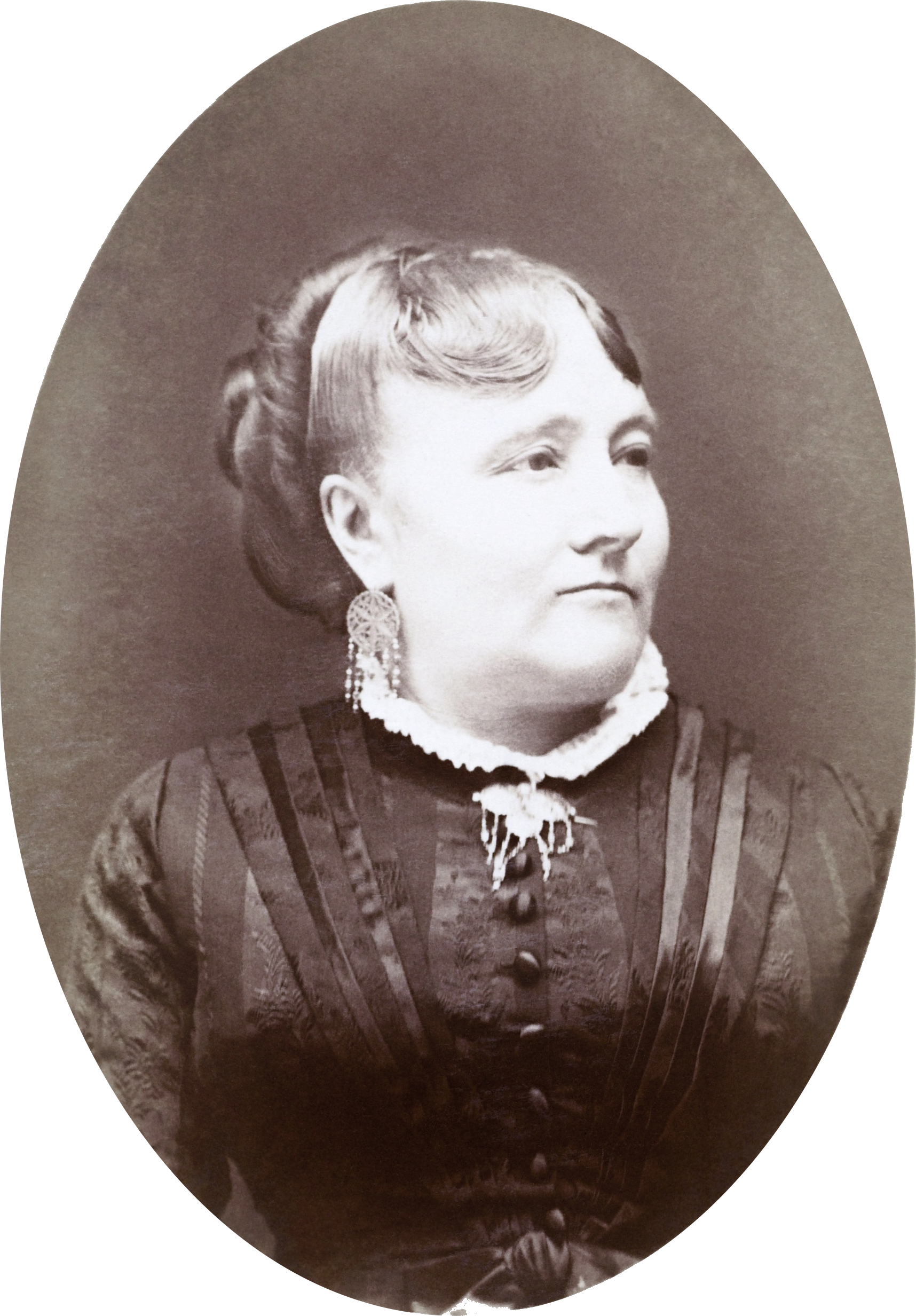
Maria Deraismes (1828–1894) was a writer, journalist, and lecturer whose work addressed women’s education and civil standing. Her intellectual life extended across literature, history, and public debate. The French Federation of Le Droit Humain describes her participation in conferences associated with the Grand Orient de France from 1866 onward.
She was already an established advocate when the possibility of Masonic membership arose. This matters to the meaning of her story: she brought experience, ideas, and a public voice into the lodge. Her importance cannot be reduced to being the subject of an exceptional ceremony.
On 14 January 1882, Les Libres Penseurs at Le Pecq initiated Deraismes. The decision challenged the exclusion of women that prevailed in the Masonic structures around the lodge and generated considerable controversy.
The ceremony was a turning point, but it did not establish ordinary, lasting access for women throughout those structures. The years between 1882 and 1893 show the distance between recognizing an individual and changing an institution. A principle could be affirmed in one room while the surrounding rules continued to resist its application.
The distinctive importance of this episode lies in what followed: the effort to make mixed participation sustainable. A history focused only on the exceptional ceremony would miss the patient construction of a community.
Georges Martin (1844–1916) was a physician and public figure who supported women’s equality. His medical and civic work connected questions of principle with practical service. Within Freemasonry, he sought a way for women to participate in the initiatory work alongside men.
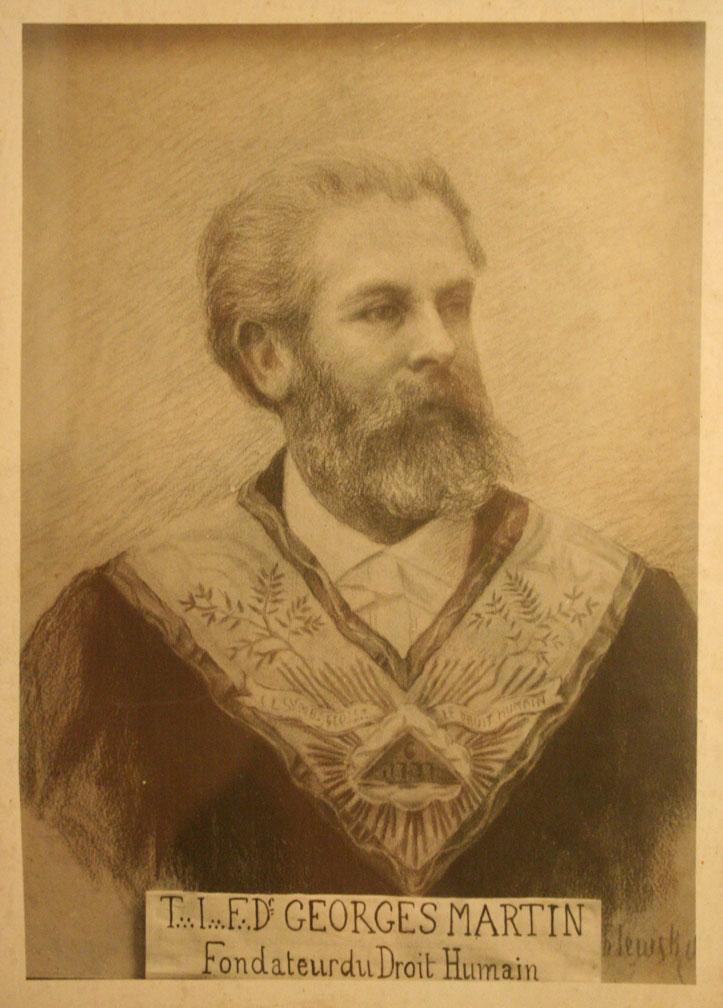
The French Federation’s biography describes his movement from attempts to change existing male Masonic institutions toward the construction of a new mixed body. It also emphasizes his sustained organizational work and his decision to support the undertaking without taking leadership of its first lodge.
That contribution deserves attention alongside the symbolic importance of Deraismes’s initiation. Enduring institutions require rooms, records, resources, teaching, and people willing to maintain them. Equality becomes a lived practice through that continuing labor.
The Bibliothèque nationale de France dates the creation of the first mixed workshop of Le Droit Humain to 4 April 1893. Its authority record identifies Deraismes and Martin and traces the development from the Grande Loge Symbolique Écossaise Le Droit Humain to the international order.
The American Federation also preserves the memory of the founding charter and the women and men associated with it, including Marie-Georges Martin. Remembering these participants broadens the account beyond two famous names. A foundation is a collective undertaking, even when particular people give it direction and momentum.
Deraismes died in February 1894, less than a year after the foundation. The continuation of the work depended on others carrying the institution forward.
Mixed Freemasonry developed through further local foundations and the work of organizers in different countries. Le Droit Humain’s American history credits Annie Besant with the establishment of its first British lodge in 1902 and with helping extend its work internationally.
In the United States, Alpha Lodge was established at Charleroi, Pennsylvania, in October 1903. Louis Goaziou, a French-born newspaper publisher with a background in mining communities, and Antoine Muzzarelli were central to that development. The setting adds another dimension to the story: mixed Masonry traveled through migration, print, correspondence, and local association.
These developments had their own people and circumstances. The history is richer when international growth is understood through those local efforts rather than presented as an automatic expansion from Paris.
Le Droit Humain today describes women and men as equal in rights and duties within its work and affirms respect for freedom of conscience. Those commitments express the continuing relevance of its founding project.
For readers interested in mixed Freemasonry more broadly, the historical question remains a practical one: how does an institution make participation equal in its teaching, responsibilities, and everyday conduct? The work of Deraismes, Martin, and their colleagues offers an example of people answering that question through organized action.
Mixed Freemasonry now includes distinct organizations and traditions. Read our introduction to what mixed Freemasonry means, and explore DELPHI-USA’s own story for the history of this Order.