
A useful account of Masonic history begins with a question that evidence can answer. Was a person a member? When did a lodge begin? What did a constitution require? How was a symbol used in a particular place? These questions lead to different records, and none is answered simply by repeating a familiar story.
“What influence did Freemasonry have?” is too large for a first investigation. “Which lodges corresponded with this grand orient in 1804?” is more manageable. Name a person or institution, a place, a period, and the action you want to establish.
Then decide what would count as evidence. A membership register can support a claim about recorded affiliation. A speech can show what its author said to an audience. Neither automatically demonstrates that an organization secretly directed an unrelated political event.
The Bibliothèque nationale de France’s Masonic collection includes central archives, lodge correspondence, minute and attendance books, rituals, diplomas, and printed material. Its description also identifies the Bossu biographical index, a major tool for researching named individuals.
These sources perform different functions. A diploma is not a complete account of a member’s activity. An attendance book can provide a different kind of evidence from a later obituary. A ritual describes a form of practice, but does not prove that every lodge used it in precisely the same way.
Useful starting points include the BnF, the Grand Orient of France’s library, the Grand Orient of Belgium’s CEDOM documentation center, the Grémio Lusitano archive, and the Library of Congress guide to Prince Hall Freemasonry. Their collections have different geographical and chronological strengths.
A catalogue is a map of holdings, not a substitute for reading the document. Record the repository, collection, shelfmark or identifier, title, date, and the page or folio used. Preserve a stable link when one is available. For an image, also record the creator, object description, rights statement, and any changes to the reproduction.
The BnF explains that its Masonic holdings were shaped by wartime repression and subsequent donations. The Grémio Lusitano describes losses, confiscations, and the gathering of records from several bodies. The surviving archive is not an untouched mirror of everything that happened.
An absence must therefore be interpreted cautiously. A missing name may matter, but first ask whether the relevant register survives, whether it is complete, and whether a different spelling or institution needs to be checked. Absence of evidence and evidence of absence are different conclusions.
Documented fact: a dated record supports a specific statement. Institutional position: an organization explains its own principles. Historical interpretation: a writer connects evidence into an argument. Symbolic tradition: a story or image conveys meaning within Masonic practice.
All four can be worth studying. The error is to present one as another. A traditional association with ancient builders is not, by itself, evidence of an unbroken administrative organization from antiquity. A modern declaration of equality does not establish that every earlier lodge included everyone.
Find the earliest traceable source of a quotation, and check whether the wording survives there. A list that cites another unsourced list does not add independent confirmation. Translate carefully, preserve uncertainty, and avoid improving a quotation until it says what you wish its author had meant.
Membership claims require the same discipline. A symbol in a painting, friendship with a Mason, or a relative’s membership is not sufficient on its own. A credible account identifies the record and states what it actually establishes.
For this journal, the supplied DELPHI reference What is Freemasonry provides the starting point for explaining our principles and method. Its chapters on membership, liberty, equality, fraternity, society, religion, and symbolism are read alongside the Order’s Founding Declaration. Another obedience’s public statement describes that obedience, rather than silently defining DELPHI.
A reference text also contains historical interpretation. Its discussion of possible origins distinguishes symbolic parallels from evidence of a direct institutional lineage. We retain that discipline: dates, membership claims, and accounts of other bodies are checked against identifiable records. Respect for our tradition and an unrestricted search for truth belong together.
Write the conclusion at the level the evidence supports. Link the record, distinguish uncertainty, and explain any important disagreement between sources. A smaller claim that another reader can check is more valuable than an impressive assertion that cannot be examined.
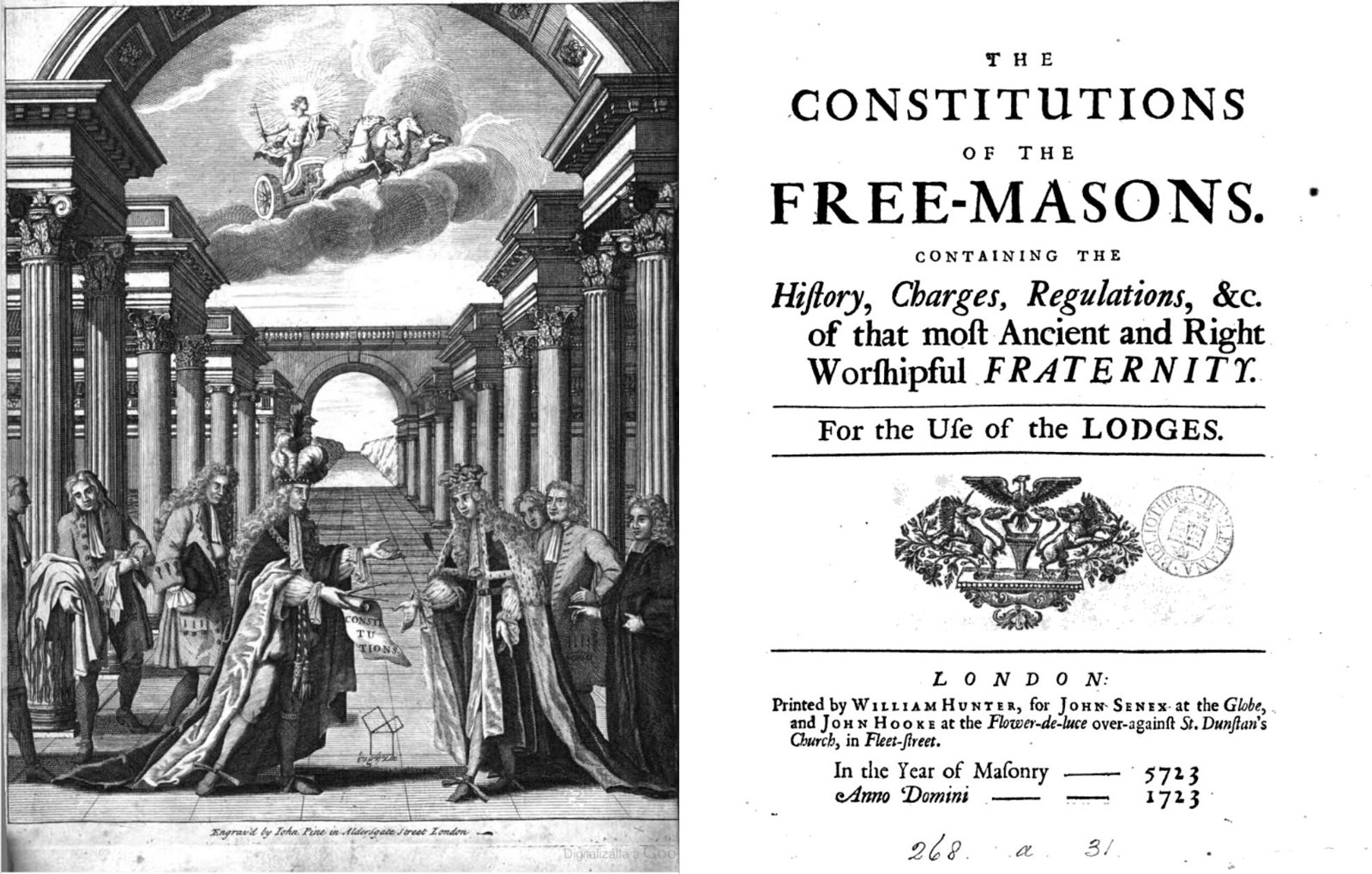
Compare this method with our studies of Mozart’s documented membership and musical attributions and the Old Charges.
Reviewed against DELPHI’s reference PDF on 25 November 2026. Sources describing other bodies support the comparative history; their policies are not presented as DELPHI’s own.