A Masonic rite is a connected tradition of ceremonies, symbols, and degrees. An obedience or grand lodge is an institution that administers Masonic life. The distinction matters: two lodges can work a related rite while belonging to different organizations, and a single organization can accommodate several rites.
Ritual usually refers to the form of a particular ceremony or meeting. A rite gives those practices a connected framework and history. An obedience establishes such matters as membership conditions, governance, and relations with other bodies. These layers interact, but they should not be collapsed into one.
Le Droit Humain’s public explanation of Masonic structures separates the three foundational degrees from subsequent work and describes the institutional arrangements through which that work is organized. Its own international order uses the Ancient and Accepted Scottish Rite while permitting specified exceptions connected with national practice.
The Grand Chapitre du Rite Français traces the codification of the French Rite to the Grand Orient of France’s work in the 1780s. It identifies the adoption of symbolic-degree rituals in 1785, further work on the Orders of Wisdom, and publication of the Régulateur du Maçon in 1801.
Those dates refer to the organization and publication of a ritual tradition. They do not mean that every practice sprang into existence at once. Manuscripts, local usages, revisions, and printed texts are different kinds of evidence for how a rite developed.
There is also more than one present-day version of the French Rite. The Grande Loge Mixte de France lists forms including Groussier, the 1785–1786 tradition, the Modern or 1801 Régulateur, and philosophical variants. The name therefore opens a historical question rather than settling every detail of a lodge’s work.
The Grande Loge Mixte de France describes the Scottish Rite as a system of 33 degrees, with the first three belonging to symbolic lodges. It situates the rite’s present 33-degree organization at Charleston in 1801 and its establishment in France in 1804.
The same account emphasizes a varied symbolic language and questions of justice, responsibility, duty, and the human condition. This is evidence that the Scottish Rite has a place within mixed and liberal Freemasonry as well as in other Masonic families. Its name alone does not identify a lodge’s position on belief or gender.
A numbered sequence describes a particular system of work. It should not be mistaken for a universal ranking of every Mason, or a measure of the ethical worth of one person compared with another. Different rites organize further study differently.
For a new reader, the most useful starting point remains the foundational work of Apprentice, Fellowcraft or Companion, and Master. Later degrees should be understood through the tradition and jurisdiction that administer them, rather than through a competition over the largest number.
DELPHI’s Founding Declaration identifies the Order with the Ancient and Accepted Scottish Rite and the tradition of International Mixed Freemasonry. The French Rite is discussed here to explain the wider Masonic landscape; its inclusion is not a statement that DELPHI practices every rite described in this article.
The DELPHI reference text understands ritual as a method of learning through enacted allegory and symbols. Its purpose is moral and spiritual development, joined to respect for a free conscience. Degrees organize that work; they do not confer superior human dignity, privileged access to public life, or permission to favor fellow members.
The Grand Orient of France publicly identifies several rites within its own organization. This is a practical example of institutional unity coexisting with ritual diversity. A prospective member needs to ask both which rite a lodge practices and which body governs it.
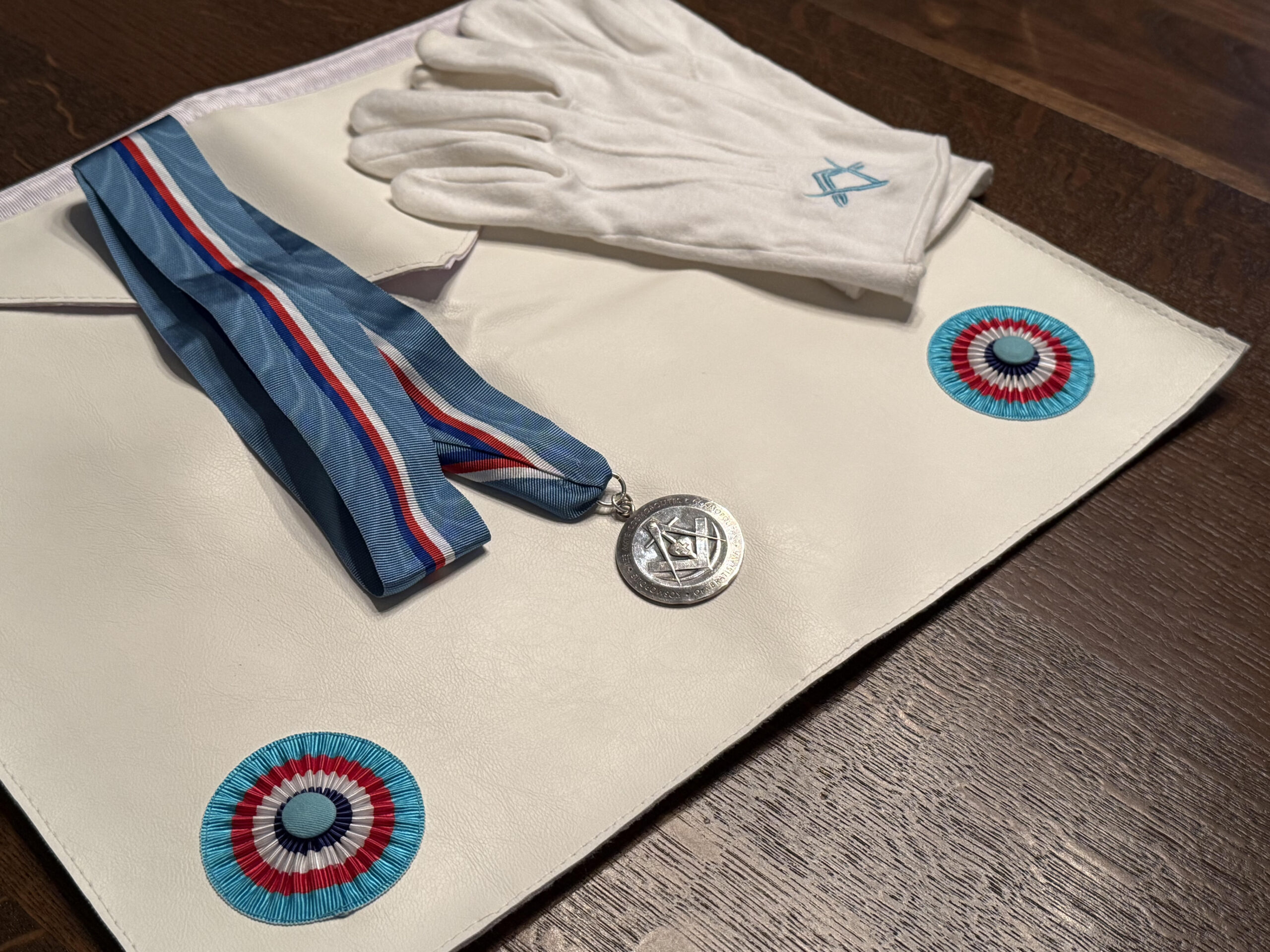
A visitor should also avoid assuming that familiar regalia or words guarantee identical procedures. Ask the receiving lodge for the guidance appropriate to the occasion. Ritual belongs to a living community of practice, not merely to a list of labels.
Read our introductions to the three degrees, regalia, and lodges and grand lodges.
Reviewed against DELPHI’s reference PDF on 25 November 2026. Sources describing other bodies support the comparative history; their policies are not presented as DELPHI’s own.