The development of Freemasonry involves both changes in its historical form and the continuing application of its principles. That development involves philosophical inquiry, freedom of conscience and the responsibilities of individuals within society.
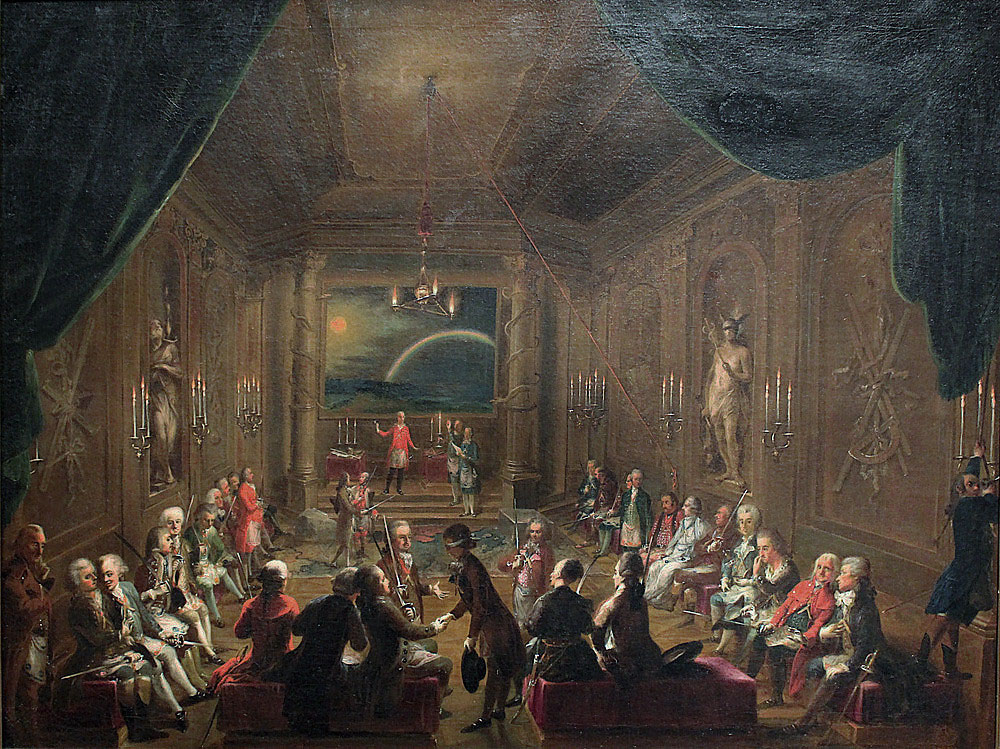
Freemasonry evolved from the practical organization of builders to a symbolic and philosophical form of fellowship. Elements of the earlier craft remained recognizable: the lodge, a progression of degrees, inherited narratives, mutual assistance and traditional methods of recognition.
These elements acquired a wider educational purpose. Building tools and stories became ways of considering moral questions and the development of character. The establishment of a Grand Lodge in London in 1717 is presented as an important milestone in the organization of modern Freemasonry.
This development accompanied the Enlightenment’s interest in reason, knowledge and human freedom. The possibility of meeting others across differences of background and conviction gave lodge fellowship a distinctive social setting.
Over time, Masonic traditions developed different positions on belief, membership and recognition. DELPHI identifies with liberal Freemasonry, in which freedom of conscience is central. Understanding these differences helps readers avoid treating every Masonic body as if it had identical rules or a single governing authority.
Scientific and technological progress can expand human possibilities. Masonic reflection also asks how knowledge is used and whether its use serves human well-being. It places the pursuit of understanding alongside respect for others and the development of moral judgement.
Within that approach, personal growth and social responsibility belong together. Learning invites members to consider the effects of their actions on other people, their communities and the wider world.
Masonic life emphasizes kindness, charitable effort and truthfulness. Charity includes voluntary service as well as material assistance. Equality involves respect without distinctions of race, origin, gender, social class or wealth.
It also sets practical limits on membership: family responsibilities must be respected, and Masonic identity must not be used to obtain unfair personal or professional advantages. The contribution of Freemasonry to society is expressed through members whose conduct reflects these obligations.
DELPHI’s development can therefore be considered through a continuing question: how can inherited principles be understood and responsibly applied in changing circumstances?