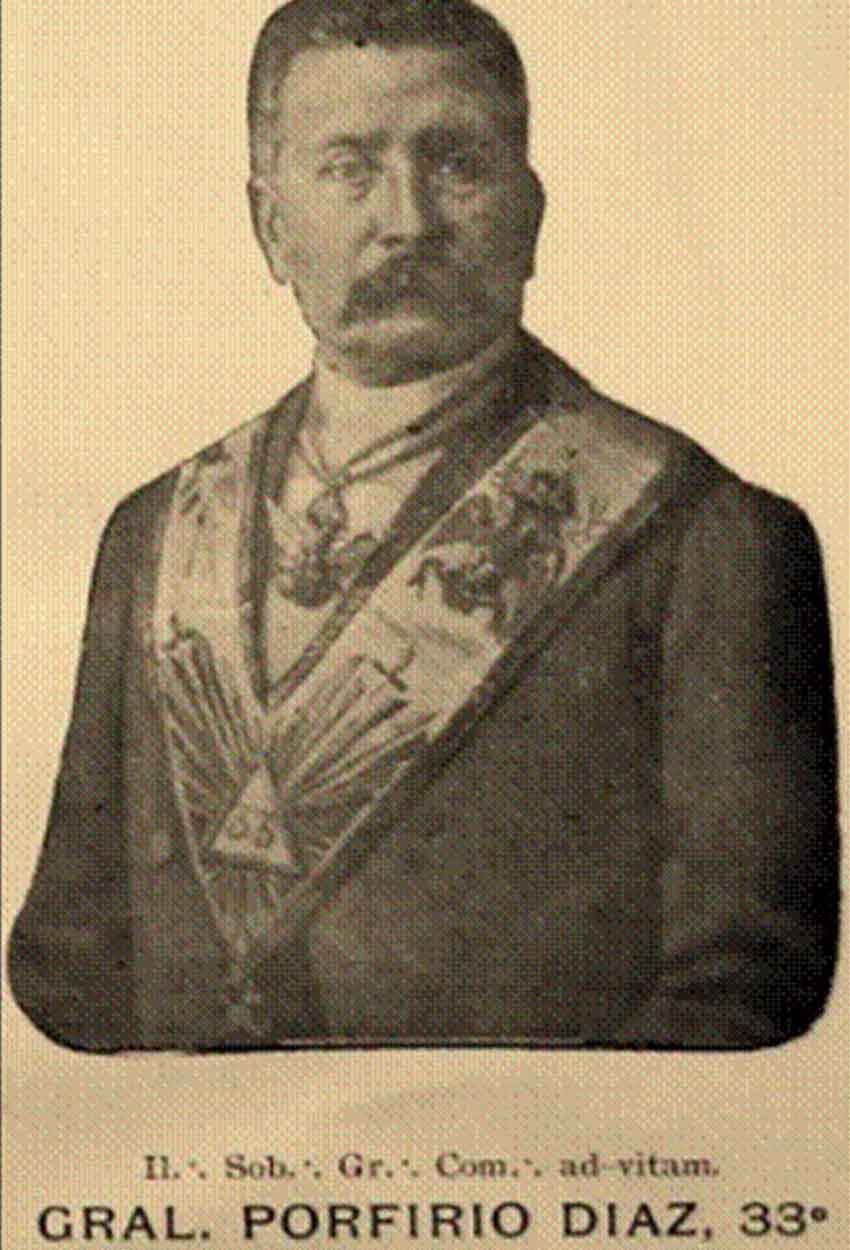
Porfirio Díaz sits beneath an embroidered Masonic collar, a white apron spread across his lap. The portrait appeared in an 1899 bulletin of Mexico’s Scottish Rite Supreme Council. By then, Díaz had already withdrawn from the Gran Dieta Simbólica, the troubled federation that had tried to bring much of Mexican Masonry under a common authority. The photograph belongs to a history in which presidents wore the fraternity’s regalia while their fellow Masons argued over presidential power, religious liberty, and who should be admitted to a lodge.
That history runs through the early republic, Benito Juárez’s Reform, the French intervention, and the Second Mexican Empire. It also includes printers, teachers, doctors, provincial lodge officers, and women who demanded a place in an institution that spoke constantly of equality. Their lives explain more about Mexican Freemasonry than a catalogue of famous names.
The first lodges in New Spain
Freemasonry reached New Spain through the same routes that carried soldiers, merchants, books, and political news across the Atlantic. French immigrants attracted the attention of the Inquisition in the late eighteenth century. Spanish military units later brought lodge connections of their own. Operating under suspicion made these early associations difficult to sustain and left an uneven documentary record.
The best-known origin story concerns Arquitectura Moral, a lodge supposedly founded in Mexico City in 1806. José María Mateos’s nineteenth-century history placed Miguel Hidalgo, Ignacio Allende, and José María Morelos among its members. Later writers repeated the story until it acquired the appearance of an established fact. The membership records needed to confirm it have not been found. The story remains part of Mexican Masonic tradition, but the initiations themselves are unproved.
There are firmer traces in the ports. UNAM’s account identifies Amigos Reunidos at Veracruz in 1816, working under a Louisiana charter, followed by a lodge at Campeche in 1817. These connections placed Mexican lodge life within a wider Caribbean and Gulf network before independence was complete. 1, 2
Escoceses, yorkinos, and the politics of the republic
Independence in 1821 left fundamental questions unsettled. How much authority should belong to the states? Who could claim to speak for the nation? What place should Spaniards, the army, and the Church retain in public life? Masonic networks offered politicians a setting in which to build alliances and organize support.
The two labels most often encountered in accounts of the 1820s are escoceses and yorkinos. The former became associated with more conservative and centralizing interests; the latter with federalism and a more assertive popular republicanism. Joel Roberts Poinsett, the first United States minister to Mexico, helped the York lodges obtain charters in 1825. His involvement also made their opponents suspicious of American influence.
The dispute spilled into newspapers and pamphlets. Writers accused rival groups of serving foreign interests, protecting privilege, or endangering the republic. As María Eugenia Vázquez Semadeni’s research shows, these public arguments helped turn lodge affiliations into political identities. The labels carried accusations as well as information. Individual positions changed, and members of the same broad tradition could disagree sharply about government.
The result was a political culture in which lodge relationships mattered well beyond the meeting room. They supplied trusted acquaintances, channels of correspondence, and opportunities to recruit supporters at a time when political parties were still taking shape. 3, 4
Poinsett, Zavala, and the struggle for the republic
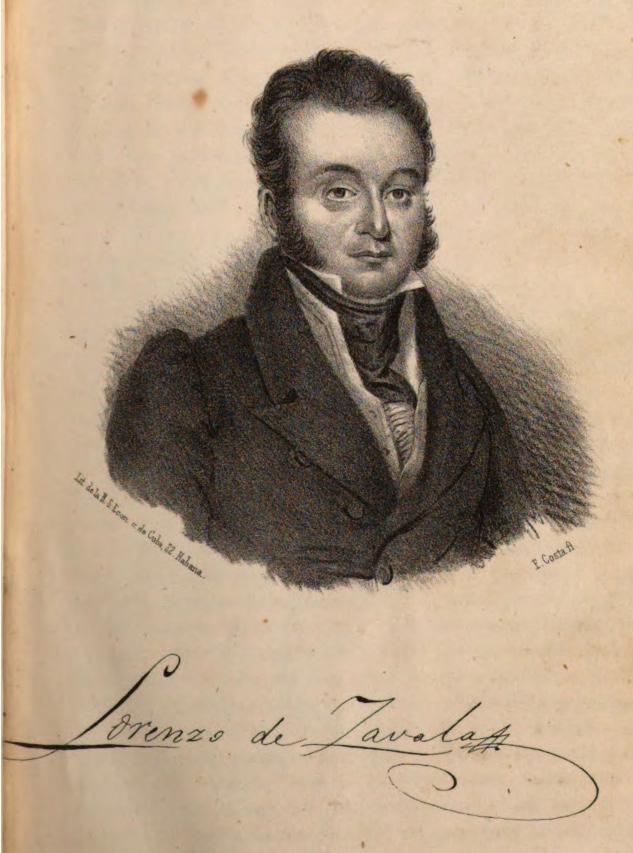
The York lodges supplied an unusually effective means of organizing across the new federation. Correspondence between lodges could carry political information beyond the capital, while personal obligations brought politicians, officials, and local supporters into the same network. Lorenzo de Zavala, Ignacio Esteva, José María Tornel, and Vicente Guerrero belonged to the leadership associated with this movement. Its press presented the yorkinos as defenders of independence and federal institutions against privileged interests.
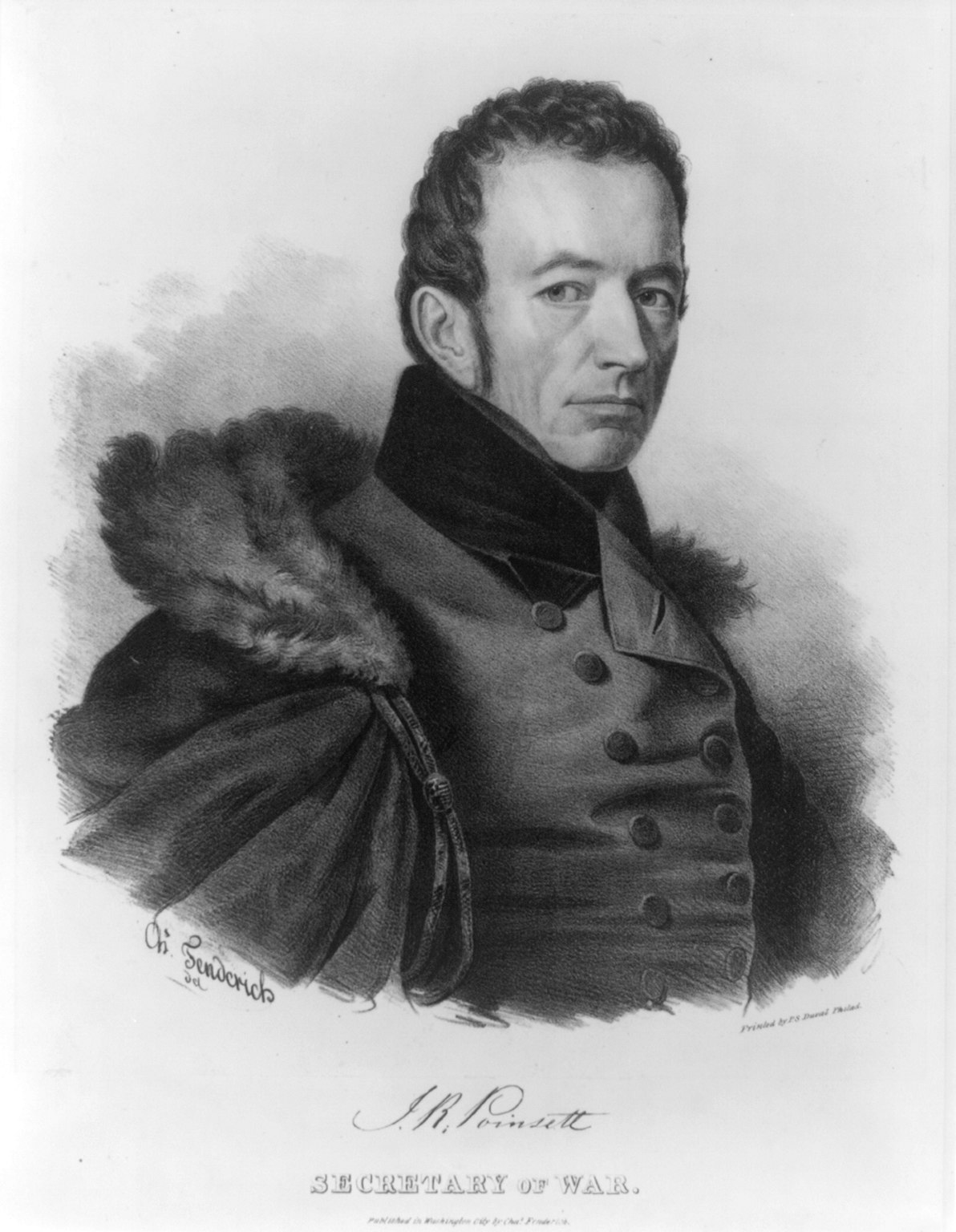
The opposition answered in the language of national sovereignty. Poinsett’s position as a United States diplomat made his participation especially contentious: an organization claiming to defend Mexico could also be accused of serving a foreign minister. The Plan of Montaño, associated with Nicolás Bravo in 1827, demanded action against secret societies and Poinsett’s influence. The struggles surrounding Guerrero’s presidency, internal divisions, and persecution under the succeeding administration weakened the York network. By 1830 it had ceased to function as the political organizing center it had been during the preceding five years.18
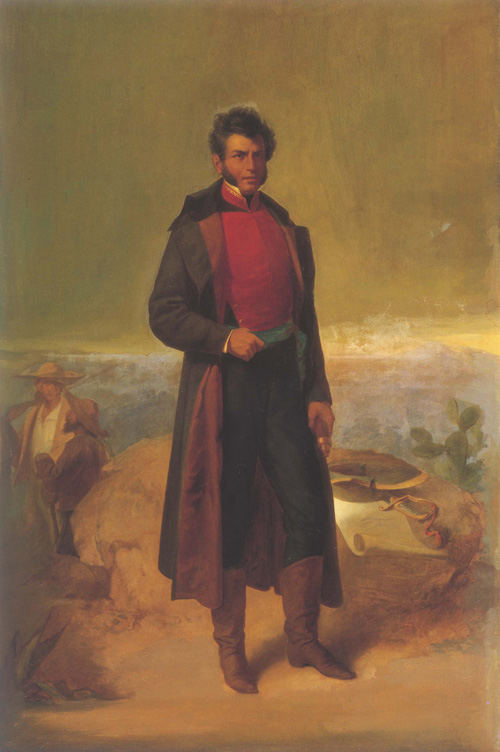
The terms escocés and yorkino therefore carried two meanings at once. They identified Masonic affiliations, but newspaper readers also encountered them as accusations, electoral labels, and explanations of who held public office. An attack on “the yorkinos” could concern patronage or foreign interference without discussing a ritual at all. That political vocabulary outlived particular lodges and helped establish the enduring Mexican habit of reading public struggles through Masonic names.
The Rito Nacional Mexicano
The Mexican National Rite emerged from dissatisfaction with the rivalry between the Scottish and York camps. Its founders wanted an autonomous organization whose authority rested in Mexico. According to its institutional history, nine Masons drawn from the two traditions constituted the rite on 22 August 1825. The first national grand lodge, La Luz, was installed on 26 March 1826.
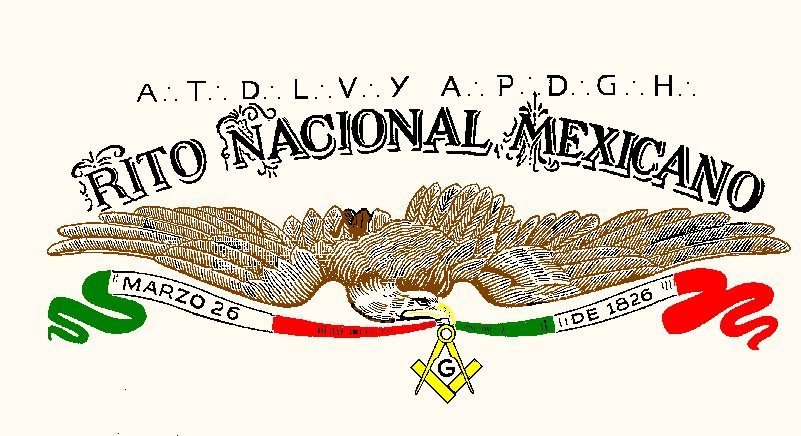
The rite organized nine degrees. Apprentice, Fellowcraft, and Master formed the foundation; six further degrees completed its system. Its declaration of independence concerned the right to govern that work without subordination to a foreign Masonic authority. In the decades after independence, that was an institutional expression of a much wider concern: whether Mexico could determine its own affairs.
The National Rite became closely associated with liberal reform and, above all, with Juárez. Its own historical account claims a substantial role in the reform programmes of Valentín Gómez Farías and in later constitutional changes. Those claims reflect the importance its members attached to public life. The reforms themselves were fought over in legislatures, newspapers, courts, and on battlefields, with participation extending far beyond the lodges. 4
Juárez and the Reform laws
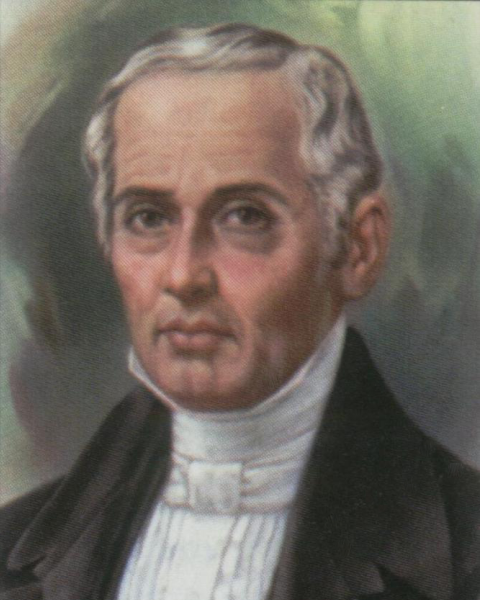
Benito Juárez entered the Mexican National Rite in Mexico City on 15 January 1847, according to the INEHRM biography. His initiation became one of the principal anniversaries of Mexican Masonry. Lodges adopted his name, organized commemorations, and treated his defence of the republic as part of their own inheritance.
The political struggle in which he took part was concrete. The Constitution of 1857 and the Reform legislation challenged the legal privileges and public authority accumulated by the military and the Catholic Church. Civil war followed. While the liberal government operated from Veracruz, it issued measures that changed the ownership of property and the administration of ordinary life.
The law of 12 July 1859 nationalized ecclesiastical property. Civil marriage followed on 23 July, and the civil registry on 28 July. Births, marriages, and deaths would be matters of public registration rather than exclusively ecclesiastical records. Another decree placed cemeteries under civil authority. The freedom-of-worship law of 4 December 1860 widened the legal space for religious practice outside Catholicism.
These measures affected families, local officials, property holders, and religious communities throughout the country. They also gave liberal Masons a set of causes around which to organize: secular education, civil equality, freedom of worship, and the authority of elected government. Juárez’s membership mattered within those networks, but the laws were acts of a government engaged in a national struggle.
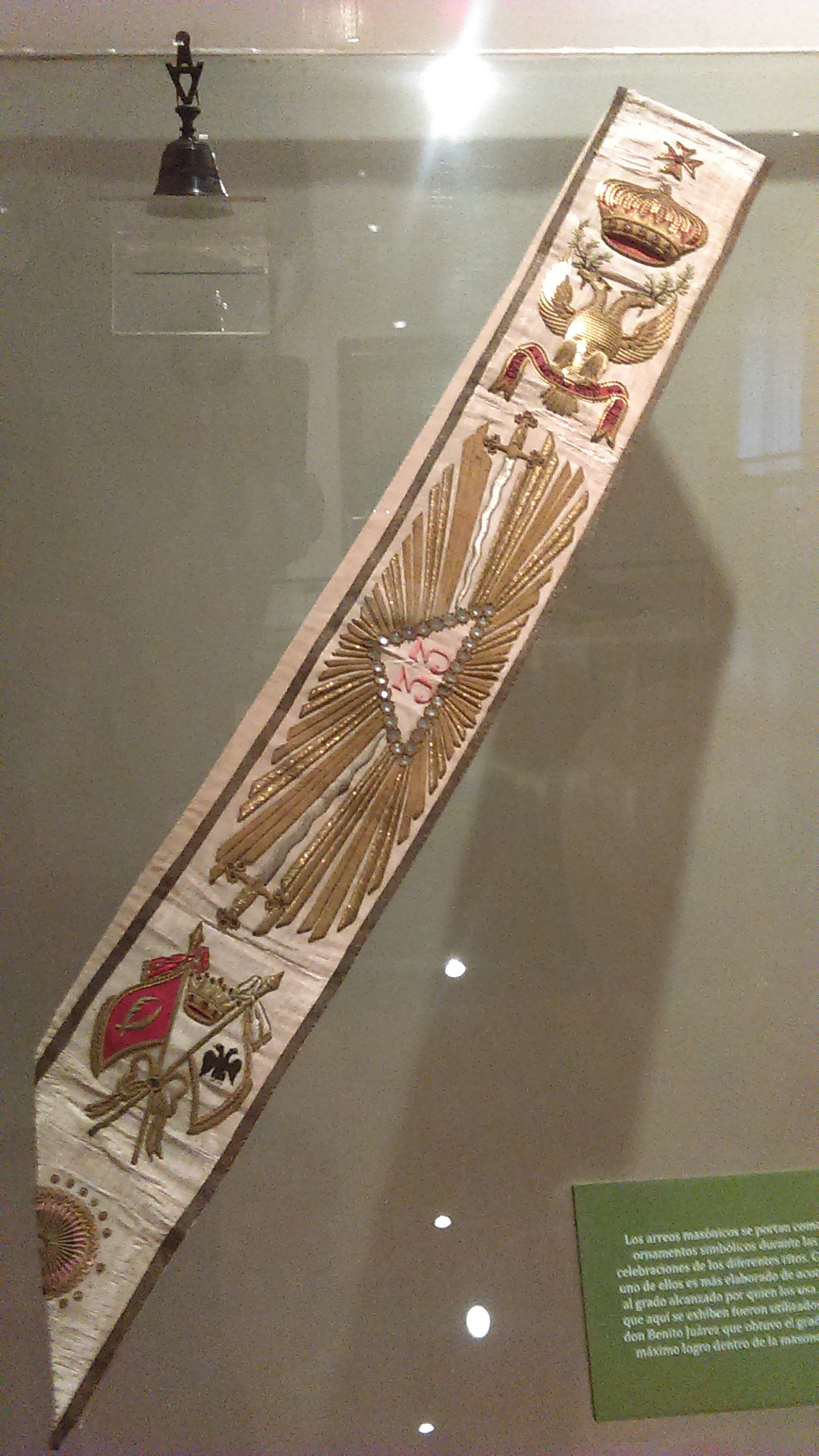
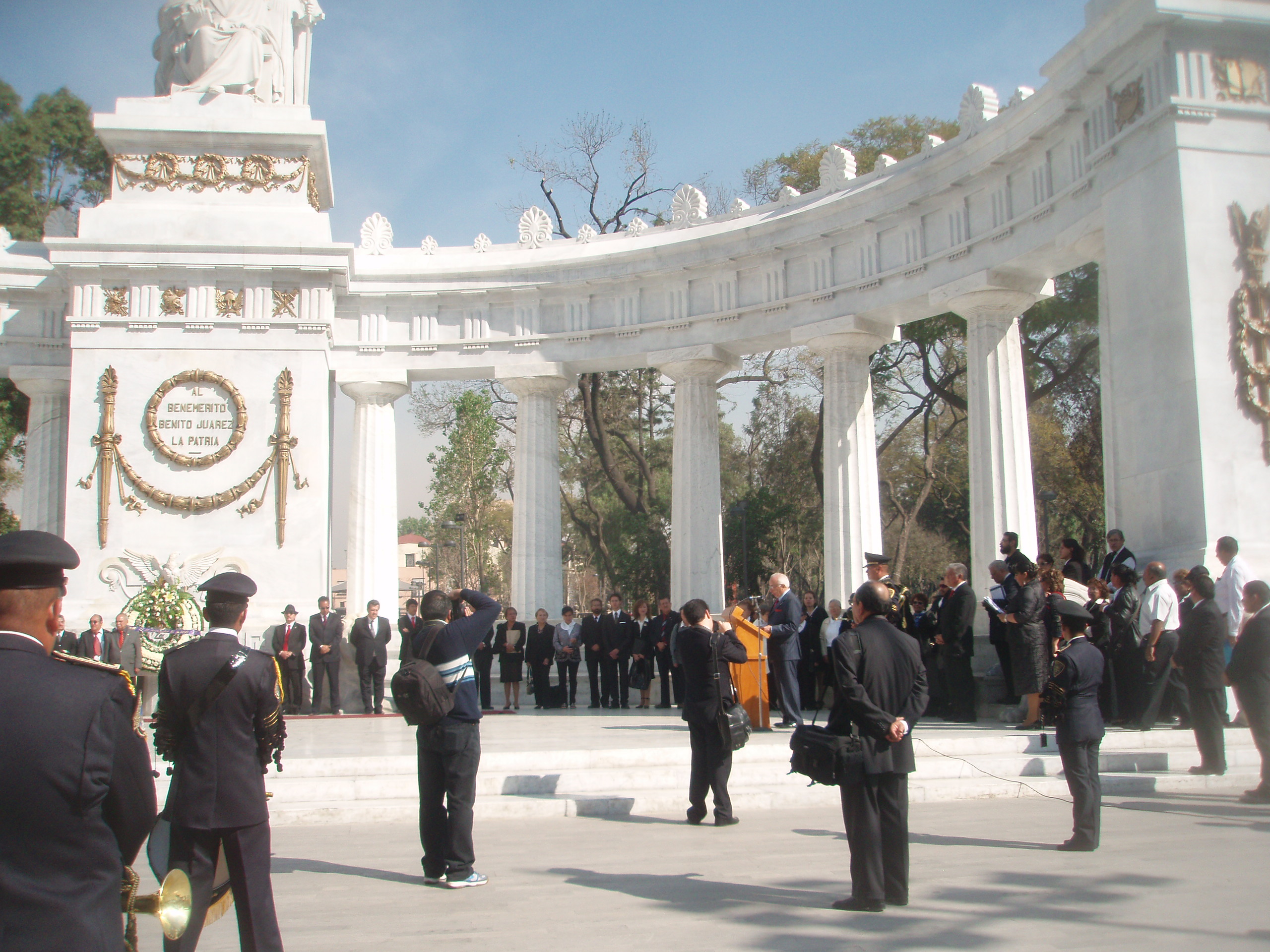
The sash shown here is exhibited in the National Palace’s memorial to Juárez. Its association with his memory is clear; whether he personally wore it is uncertain. The annual ceremonies at the Hemiciclo a Juárez offer a different kind of evidence: they show how later generations of Masons publicly claimed the Reform president as a predecessor. 6, 10
The Second Mexican Empire, 1864–1867
A monarchy sustained by French intervention
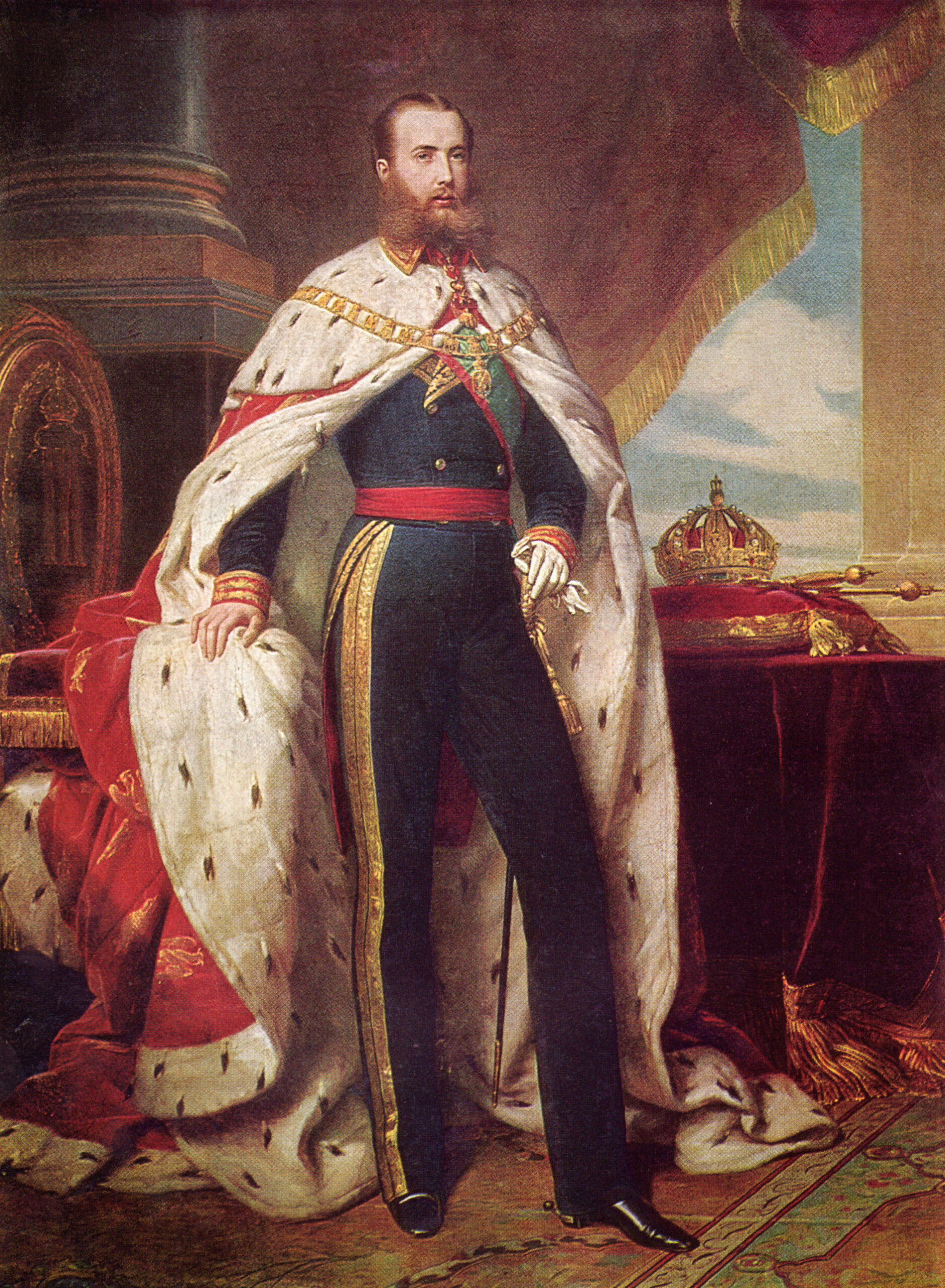
The French intervention brought another answer to Mexico’s struggle over government. Napoleon III’s army occupied Mexico City in 1863, and Mexican monarchists offered the crown to Archduke Ferdinand Maximilian of Austria. Maximilian and his wife, Carlota of Belgium, arrived at Veracruz on 28 May 1864. They established their court at Chapultepec while Juárez continued to lead the republican government.
The empire never secured uncontested control of the country. Its survival depended heavily on French military support, and republican resistance continued across a shifting battlefield. The presence of an emperor therefore did not end the constitutional conflict. It gave it a new international dimension, involving French ambitions, Mexican conservative hopes, republican resistance, and the position of the United States.
Why some Masons approached Maximilian
The Masonic response was divided. The Mexican National Rite remembered the intervention as a period of disrupted work and military or travelling lodges. Its sympathies lay with the republican struggle. Other Masons sought an accommodation with the new regime.
Felipe Ávila Marcué’s account in Ciencia UANL describes a Scottish Rite delegation offering Maximilian the offices of Sovereign Grand Commander and Grand Master. He declined those offices but accepted the designation of patron and protector. This is the episode behind many later claims that the emperor headed Mexican Masonry. Accepting patronage did not establish that he underwent initiation; his alleged membership remains disputed.
The intervention also brought French military Masons connected with the Grand Orient of France. They introduced another institutional presence into a country already divided among national, Scottish, and York traditions. The invading army and the republican resistance could both contain Masons. Shared initiation did not settle their loyalties in wartime. 1, 2, 4
A liberal emperor and his disappointed allies
Maximilian proved less willing to restore the old order than some of his conservative supporters expected. He retained important elements of the Reform settlement and permitted religious toleration. His government’s legislation preserved civil registration and other measures that had shifted authority away from the Church. The crown’s disputes with ecclesiastical interests complicated the familiar division between a Catholic monarchy and a secular republic.
That tension helps explain why Masonic overtures to the emperor were possible. A European prince could defend a monarchy while accepting reforms attractive to some liberals. For Juárez and the republicans, however, the central issue remained national sovereignty and the constitutional legitimacy of the government. Agreement over particular reforms could not resolve the presence of a throne sustained by foreign troops.
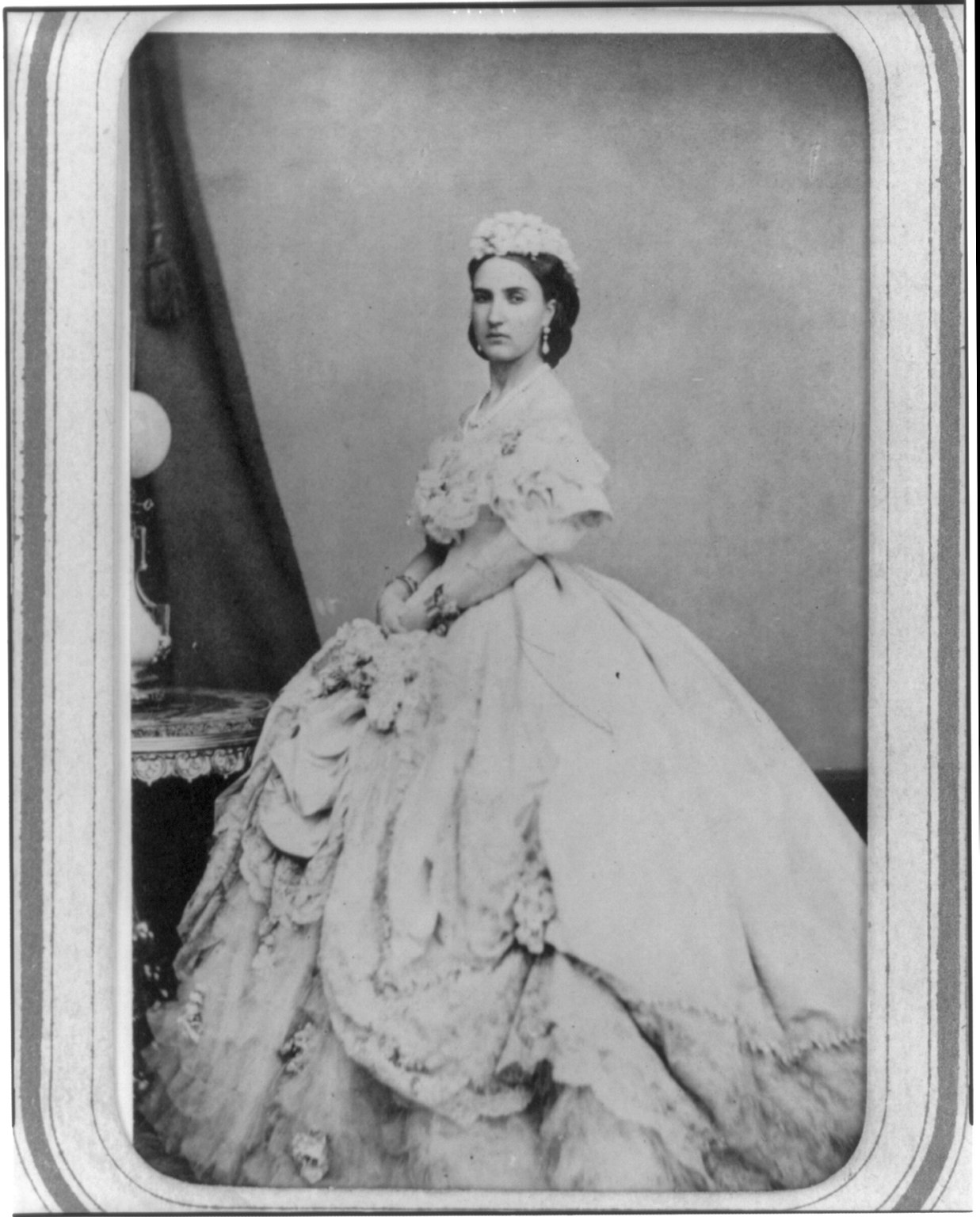
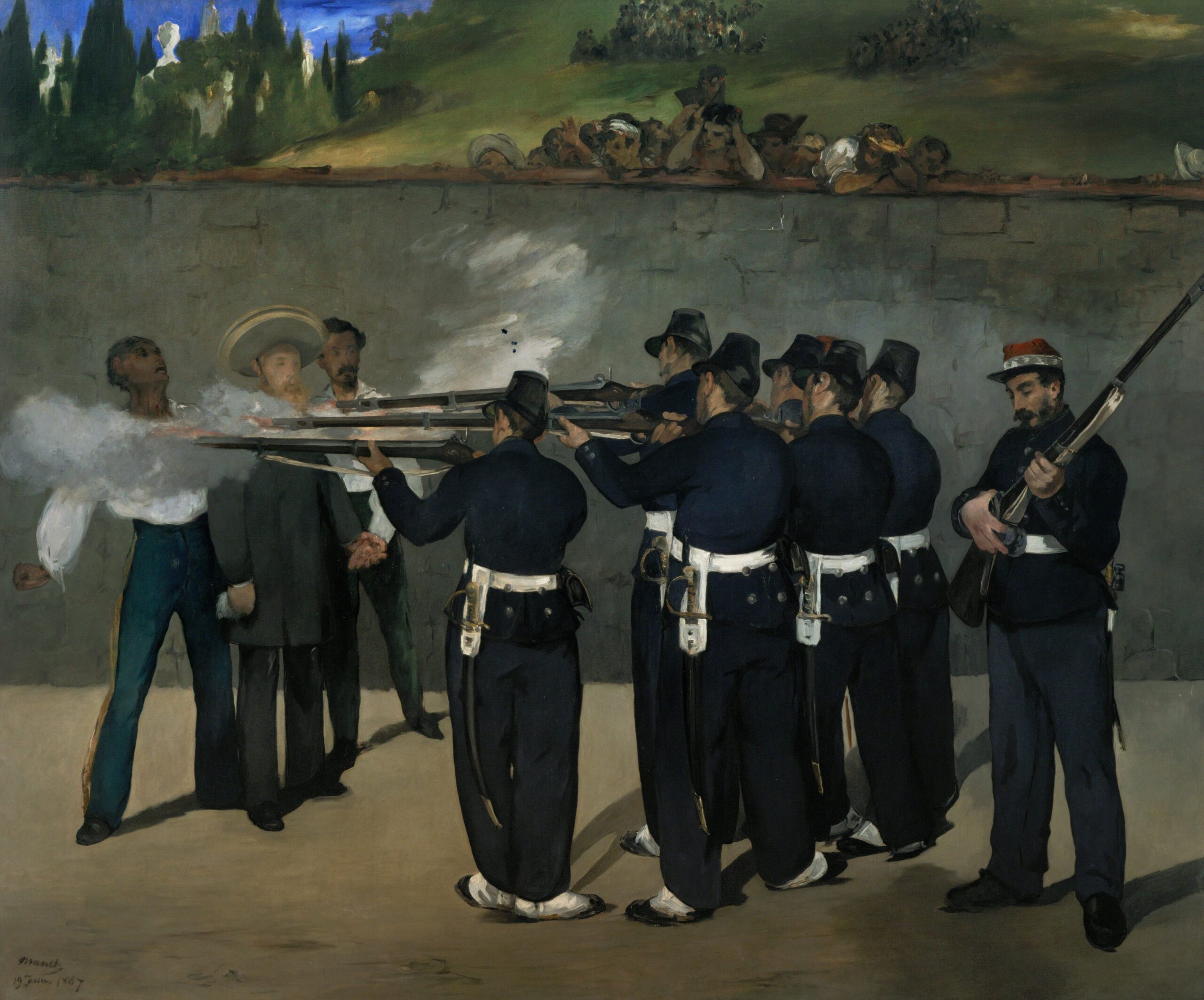
As French support was withdrawn, the empire lost its military foundation. Republican forces captured Maximilian at Querétaro. He and Generals Miguel Miramón and Tomás Mejía were executed at the Cerro de las Campanas on 19 June 1867. Juárez returned to Mexico City on 15 July. The republic had survived, but years of civil war and intervention had left deep divisions among former allies as well as former enemies. 11, 12
After the empire: reconciliation and new disputes
Republican victory did not produce Masonic unity. Disputes continued over authority, recognition, and the relationship between the three symbolic degrees and the higher degrees administered by a Supreme Council. Ignacio Manuel Altamirano, the writer, politician, and Masonic leader, became a central figure in these institutional struggles.
The division involving the Grand Lodge Valle de México in 1878 helped produce the Supremo Gran Oriente de los Estados Unidos Mexicanos. The question was partly one of jurisdiction: who could govern the lodges conferring Apprentice, Fellowcraft, and Master degrees? It also reflected personal and political rivalries within the victorious liberal world. By the time a national federation was proposed in 1890, it was addressing divisions accumulated over decades. 1, 13
Ignacio Manuel Altamirano: literature, belief, and lodge authority
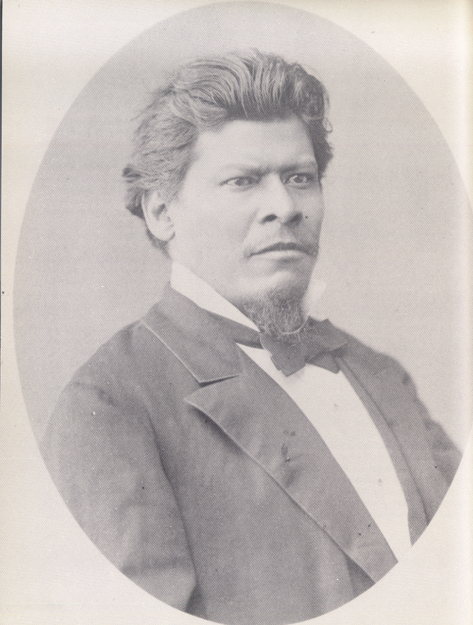
Ignacio Manuel Altamirano belonged to the generation that tried to give the restored republic a cultural life as well as a constitution. His Masonic career brought him into the arguments over how that republic’s lodges should be governed. Elected Grand Master of the Valle de México, he assembled representatives of thirty-nine lodges in a rival organization and challenged the authority of the Scottish Rite Supreme Council. The dispute concerned who could direct the first three degrees and how far a higher-degree body could intervene in the work of symbolic lodges.
Altamirano’s relations with Díaz were more complicated than a simple division between dictator and dissident. He defended Masonic autonomy while admiring much of the president’s program of national progress, and he later accepted consular service in Europe. His religious life also resists a familiar caricature: the liberal Mason remained attached to Christianity. His case shows how much can disappear when “Mason,” “liberal,” and “anticlerical” are treated as interchangeable descriptions.19
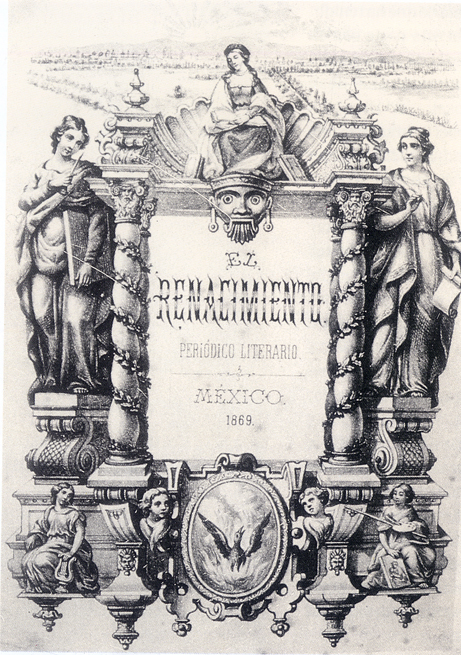
His literary undertaking El Renacimiento, launched in 1869, pursued a different kind of reconciliation. The journal invited contributions across the political division left by the civil wars and the empire. Liberal and conservative writers could meet on its pages without first agreeing about the governments they had supported. The invitation had force precisely because the recent conflict had been so bitter.
This was a literary project, rather than an official lodge publication. Its relevance lies in the work of a man who moved between literature, teaching, republican politics, and Masonry. The same individual could argue for institutional independence within the lodges and cooperation among writers outside them. His public life cannot be reduced to the receipt of a degree or the occupation of a Masonic office.20
Porfirio Díaz and the Gran Dieta Simbólica
Díaz came to power after rebelling against President Sebastián Lerdo de Tejada in 1876. The conflict divided liberals and deepened antagonisms between Masonic groups. Some National Rite members had supported Lerdo; Díaz’s ascendancy could hardly be received as a common Masonic victory.
The Gran Dieta Simbólica, established in 1890, attempted to draw a large part of the country’s lodge network into a common structure. Díaz’s name gave the project prestige. Ermilo G. Cantón handled much of its organization and correspondence, promoted it through the Boletín Masónico, and sought recognition from abroad.
Historians disagree about how directly Díaz controlled the enterprise. Rogelio Aragón’s study of presidential correspondence finds Cantón repeatedly seeking the president’s endorsement and challenges the familiar account of Díaz personally designing the whole federation. Other studies place greater emphasis on the advantages political authorities gained from bringing influential associations close to the government. The surviving correspondence reveals negotiation, requests for support, local resistance, and competing ambitions.
The federation’s difficulties were especially visible in 1895. Controversy over women’s lodges and the place of the Bible in lodge work became entangled with a struggle over Cantón’s authority. A confrontation with Ramón Guzmán of Valle de México ended in a rupture and expulsions. Díaz resigned his position in 1895. The Gran Dieta continued to lose support and disappeared in 1901. 13, 14
What the regalia portrait tells us
The 1899 portrait at the beginning of this article shows how visibly Díaz could be presented as a Masonic dignitary. The Supreme Council’s bulletin associated him with its highest office and reproduced him in regalia reportedly presented by French Masons. It was an institutional statement of esteem made after his departure from the Gran Dieta.
His long presidency also exposed a contradiction within the liberal fraternity. Masons who defended freedom of conscience and resistance to tyranny could disagree about a regime sustained by repeated re-election. The opposition newspaper Diario del Hogar, associated with Filomeno Mata, provides one example of a liberal public sphere that could value Masonry while criticizing the political order. Masonic affiliation did not erase the division between supporters of Díaz and his opponents. 14, 15
Laureana Wright and the struggle over women’s lodges
Women’s admission was one of the issues on which the Gran Dieta’s promise of fraternity was tested. Laureana Wright González de Kleinhans, the writer associated with Violetas del Anáhuac, participated under the symbolic name Calíope. Her daughter Margarita Kleinhans used Euterpe; the physician Matilde Montoya used Clío. These names placed their Masonic identities in the world of the arts, learning, and history.
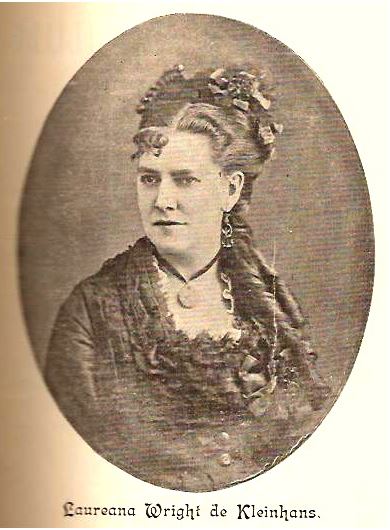
García Robles identifies Wright as an important figure in women’s Masonry and as an adjunct orator of Valle de México. Her work brought together literary publication, education, and the demand that women be treated as intellectual participants in public life. The women appearing in this history were authors, physicians, and lodge members with their own ambitions and responsibilities. 7
The opening was short-lived. Objections from lodges linked to foreign jurisdictions placed women’s admission at the centre of the recognition dispute. A decree dated 12 August 1895, signed under Díaz’s authority as Grand Master, withdrew recognition from María de Alarcón de Mateos No. 27 and Defensoras de la Orden No. 208 and prohibited further charters for women’s lodges. Later constitutional provisions reinforced their exclusion.
The argument revealed a limit within nineteenth-century Masonic liberalism. Men could advocate women’s education and emancipation from religious control while refusing them equal standing in the lodge. Women’s Masonry had to develop amid that resistance, with support varying sharply between organizations and individual officers. 16
Matilde Montoya and access to professional education
Matilde Montoya’s place in the same reforming milieu gives the argument over women’s lodges a practical setting. Before becoming a physician, she trained and worked as a midwife. Her medical studies took her through Puebla and back to the Escuela Nacional de Medicina, where opposition from teachers and students made an already difficult course of study harder. She needed presidential intervention to obtain permission for her final examination.
In August 1887 she completed the professional examinations that made her the first woman to qualify as a physician in Mexico. Her thesis dealt with laboratory techniques and bacteriology. She later treated women and children and maintained a free consultation practice. These details matter beside the Masonic name “Clío”: the woman behind that name was contesting restrictions in classrooms, examinations, and medical practice as well as in a lodge. A ceremonial declaration of equality meant little if women could not obtain the education and professional standing available to men.21
Women build their own grand lodges
The exclusionary decisions of the 1890s did not end women’s initiation in Mexico. Alma Mexicana’s institutional history records three women’s lodges—Emancipación Dogmática, Alma Libre, and Izquierdas—forming the Gran Logia Emancipación Dogmática Femenina on 12 October 1935. It describes their work as Scottish Rite Masonry with autonomous jurisdiction, rather than a system of adoption controlled by male lodges.
Alma Mexicana itself developed a wider network during the second half of the twentieth century. Its history records ten lodges in 1969, including work in Mexico City, Veracruz, Morelos, and two lodges in California. Those foreign lodges later closed. The institution’s March 2026 account reports seventy-seven chartered lodges and three under dispensation across Mexico City and twenty-three states. These are the organization’s own figures, not a national census of women or mixed Masons.22
Another network took shape around Veracruz, Michoacán, and San Luis Potosí. On 14 December 1991, representatives of Tarhatzcua, Del Potosí, and the Gran Oriente Femenino de Veracruz established the Confederación de Grandes Logias Femeninas Regulares de los Estados Unidos Mexicanos. Its founding account places the meeting in Veracruz and names France Sornet, Grand Master of the women’s Grand Lodge of France, as an honorary witness.
The confederation created a means for autonomous women’s grand lodges to coordinate congresses, relations, and shared projects. It did not merge all Mexican women into one obedience. Women’s grand lodges and mixed obediences remain distinct forms of organization: in one, women govern and initiate women; in the other, women and men work together. Both belong in the account of Mexican Masonry, alongside the older male institutions.23
Lodge life beyond the presidency
In Aguascalientes, Zacatecas, and other provincial centres, lodge life depended on people whose names seldom appear in national surveys. Marco Antonio Flores Zavala’s study follows doctors, printers, teachers, merchants, and public officials who met through Masonic associations.
One was Tomás Lorck Ávila of Zacatecas. He ran a printing workshop, completed medical training, taught, and held public office. He entered the Francisco García Salinas lodge of the National Rite in 1871. His career shows how publishing, education, professional life, and lodge connections could overlap in a provincial city.
Another glimpse comes from Aguascalientes in January 1913. Ricardo Villalpando, Master of the Benito Juárez lodge, urged members to attend because unfinished work was delaying its business. The concern is familiar to anyone who has kept an association running: members had obligations, attendance mattered, and correspondence could only do so much. 8
Revolution, the Constitution of 1917, and religious conflict
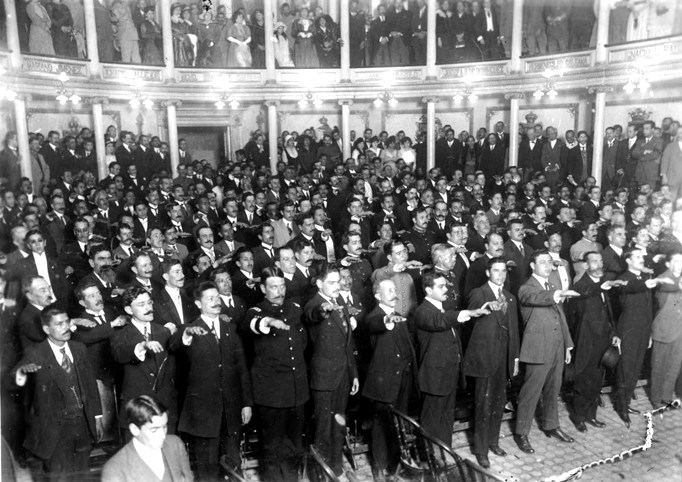
The Revolution reopened arguments over the state, property, labour, and education. The INEHRM volume Influencia de la masonería en la Constitución de 1917 examines the participation of Masons in the constituent process, including Luis Manuel Rojas. It places Masonic connections within the political and intellectual world from which the Constitution emerged.
There was no single Masonic programme that explains every article. Debates about secular education, land, labour protections, and church–state relations involved revolutionary factions and constituencies whose interests often conflicted. The importance of Masonic participants can be examined without treating Congress as the instrument of one fraternity. 17
Conflict over religion became particularly violent during the Cristero period. García Robles’s research documents anti-Masonic publications and the circulation of lists identifying Masons among Cristeros. Families and local communities could be divided by these antagonisms. The same research records episodes of Masonic diplomats participating in Catholic ceremonies, showing that individual conduct did not always follow the absolute hostility proclaimed in polemical writing.
Secular government, anticlerical politics, and personal religious belief therefore need to be understood in their particular settings. A Mason might oppose ecclesiastical control of public institutions while retaining religious convictions. Others adopted more forceful anticlerical positions. These differences helped shape the disputes inside Mexican Masonry as well as the opposition it encountered outside. 9
A country of several Masonic traditions
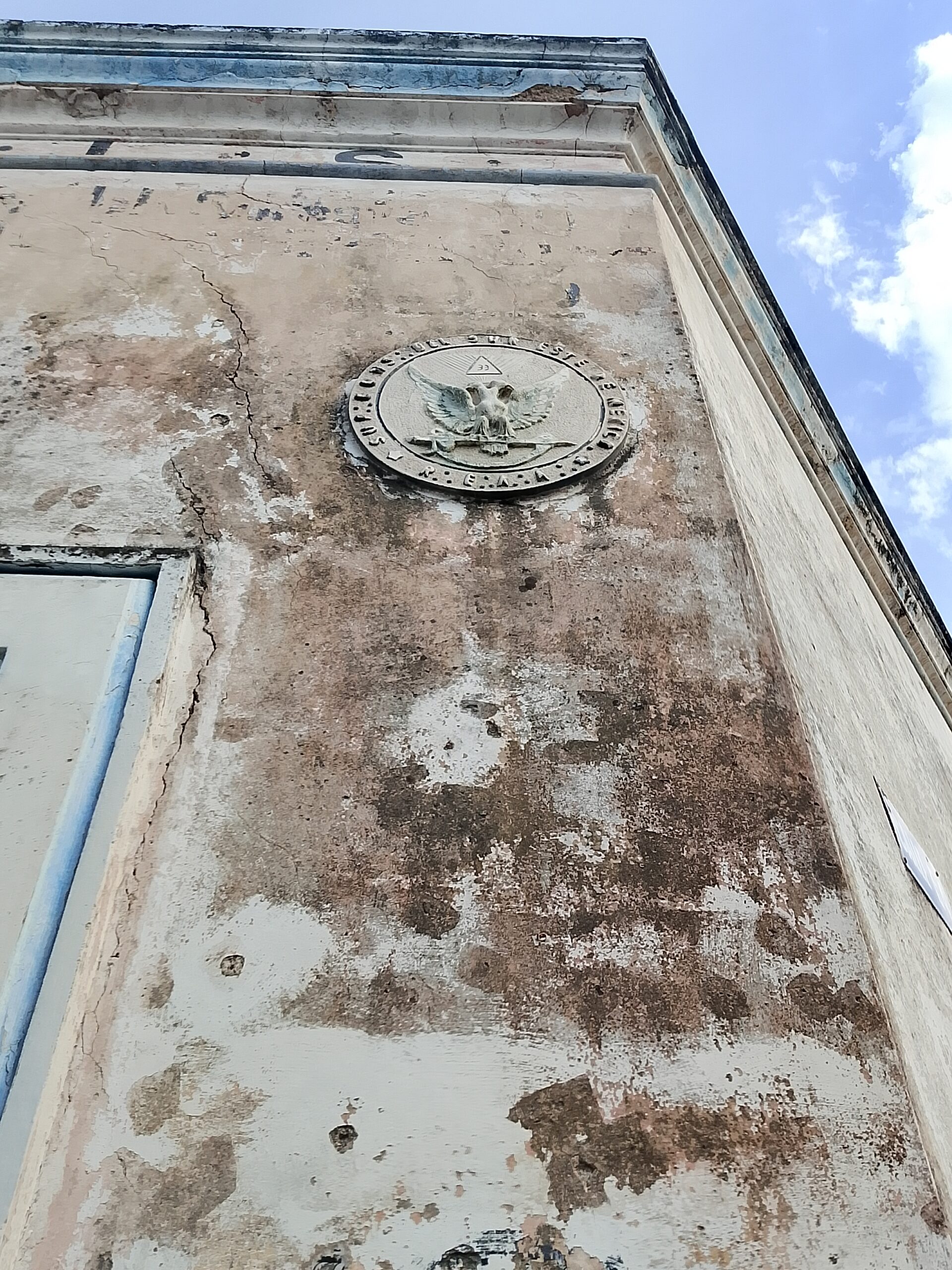
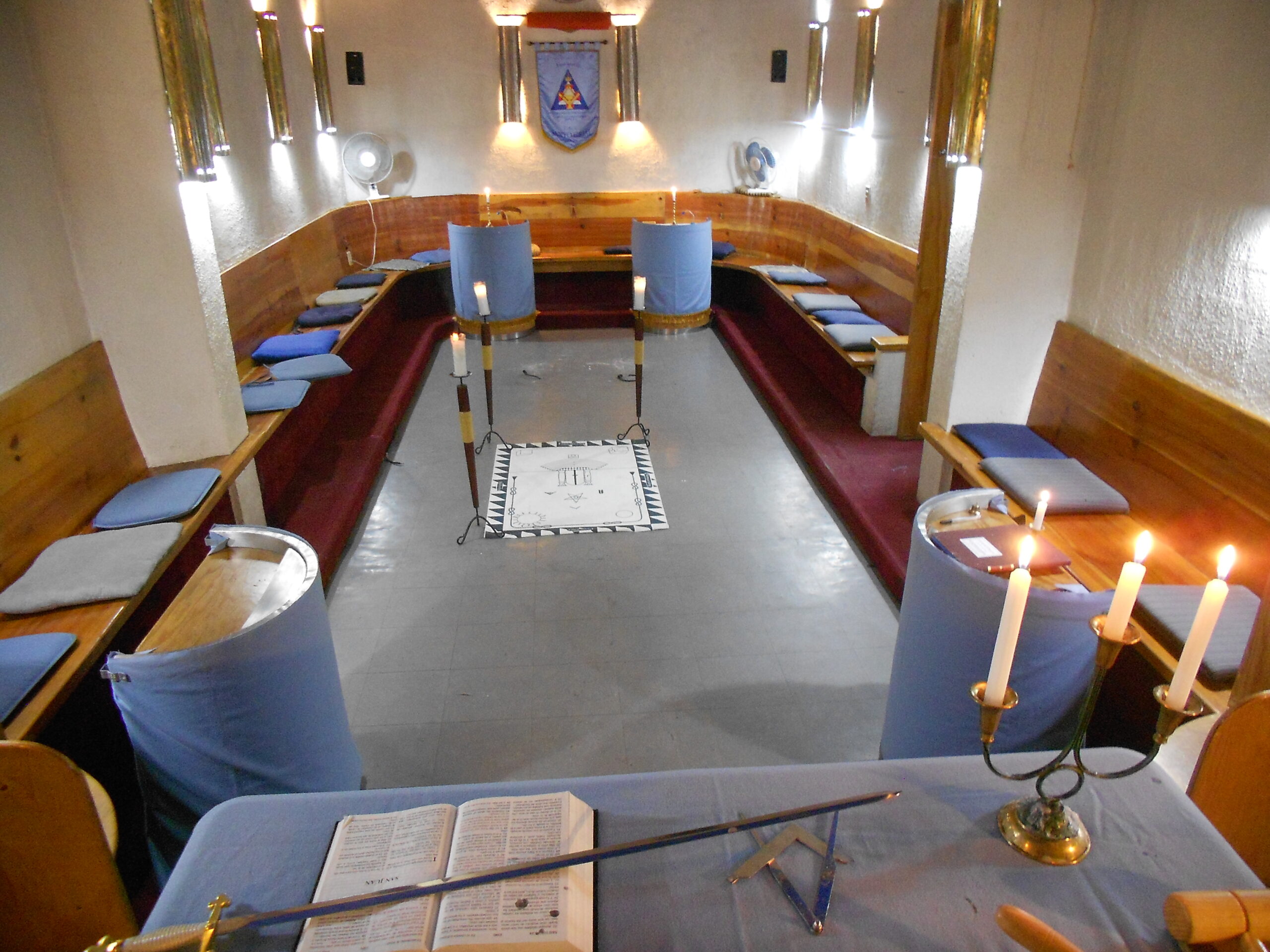
Mexican Masonry has remained institutionally diverse. The National Rite, Scottish and York traditions, women’s organizations, mixed bodies, and other rites have their own histories and rules. The Rectified Scottish Rite temple pictured below is one example of that variety.
For DELPHI, this history has particular interest because freedom of conscience and the equal participation of women and men are part of our own work. Juárez’s secular reforms, the disputes of the Porfiriato, and the exclusion of women raise questions that a mixed lodge cannot leave in the nineteenth century: who may participate, how authority is exercised, and whether the institution’s conduct lives up to its principles.
The legacy is still visible in Mexico’s lodge buildings, commemorations, publications, and archives. It survives through the local work of members who meet, study, admit new colleagues, and keep their institutions alive.
Chronology
| Date | Event |
|---|---|
| 1816 | Amigos Reunidos at Veracruz receives a charter from Louisiana. |
| 1821 | Mexican independence opens a new setting for lodges and public political association. |
| 1825 | York lodges expand with Poinsett’s assistance; the Rito Nacional Mexicano dates its constitution to 22 August. |
| 1826 | La Luz, the first lodge of the National Rite, is installed on 26 March. |
| 1827–1830 | The struggle around secret societies, the Plan of Montaño, and Guerrero’s presidency transforms the York political network. |
| 1847 | Juárez’s initiation is dated to 15 January in the INEHRM biography. |
| 1857–1860 | The constitution and Reform laws reshape civil authority, religious property, marriage, registration, and religious liberty. |
| 1864 | Maximilian and Carlota arrive in Mexico; the Second Empire develops alongside the continuing republican resistance. |
| 1867 | Maximilian is executed on 19 June; Juárez returns to Mexico City on 15 July. |
| 1869 | Altamirano’s El Renacimiento offers a literary meeting place after the civil wars. |
| 1878 | The split associated with Altamirano raises disputes about authority over symbolic degrees. |
| 1887 | Matilde Montoya completes her professional medical examinations. |
| 1890 | The Gran Dieta Simbólica seeks to coordinate Mexican symbolic Masonry. |
| 1895 | The crisis over women’s lodges and recognition accompanies Díaz’s withdrawal from the Gran Dieta. |
| 1899 | The Supreme Council bulletin reproduces Díaz’s portrait in Masonic regalia. |
| 1901 | The Gran Dieta dissolves. |
| 1917 | The Constituent Congress adopts a new constitution at Querétaro. |
| 1935 | Three women’s lodges establish the Gran Logia Emancipación Dogmática Femenina, according to Alma Mexicana’s history. |
| 1991 | The women’s grand-lodge confederation is founded in Veracruz on 14 December. |
| 2026 | Alma Mexicana reports seventy-seven chartered lodges and three under dispensation. |
Sources and further reading
- Felipe Ávila Marcué, “La francmasonería en México,” Ciencia UANL (2014). Read critically alongside the archival studies below.
- UNAM, Instituto de Investigaciones Filológicas, Esoterismo en México: “Masonería.”
- María Eugenia Vázquez Semadeni, “Masonería, papeles públicos y cultura política en el primer México independiente, 1821–1828,” Estudios de Historia Moderna y Contemporánea de México 38 (2009), pp. 35–83.
- Rito Nacional Mexicano, “Antecedentes Históricos.” Institutional account; its claims of political influence are distinguished from independent findings.
- UNAM, Instituto de Investigaciones Históricas, “La masonería en México en el siglo de Juárez,” in Muerte y vida eterna de Benito Juárez, pp. 73–77.
- Nuria Pons, Benito Juárez, INEHRM (2018), p. 26, for the stated initiation date.
- Marco Antonio García Robles, “Mujeres y redes masónicas intergeneracionales en México,” REHMLAC+ 12, nos. 1–2 (2020), pp. 287–312.
- Marco Antonio Flores Zavala, “La masonería en el centro-norte de México, 1869–1914,” REHMLAC 6, no. 1 (2014), pp. 108–130.
- Marco Antonio García Robles, “Anti-masonería y anticlericalismo: dos caras de la misma moneda,” REHMLAC+ 15, no. 1 (2023).
- Archivo General de la Nación, “La transformación del Estado a través de las Leyes de Reforma,” for civil marriage, registration, cemeteries, and religious liberty.
- Archivo General de la Nación, “El triunfo de la República liberal,” for the intervention, imperial arrival, and restoration of the republic.
- INEHRM, La legislación del Segundo Imperio, for imperial policy and the continuation of elements of the Reform settlement.
- Rogelio Aragón, “Porfirio Díaz y la Gran Dieta Simbólica: ¿La masonería mexicana bajo control?”, REHMLAC 7, no. 2 (2016), pp. 139–155.
- Julio Martínez García, “La Masonería y la prensa liberal-oposicionista mexicana de finales del XIX. El caso de Diario del Hogar,” REHMLAC 7, no. 2 (2016), pp. 72–92.
- Sheryl Losser, “Is Freemasonry’s role in Mexican history a secret in plain sight?”, Mexico News Daily, 8 June 2022, for the Díaz portrait reproduced from the 1899 Supreme Council bulletin.
- De las rebeliones a los movimientos sociales. Memoria, trayectorias y fuentes sobre la participación de las mujeres en México, Universidad Veracruzana (2019), especially pp. 83–85, for the exclusion of women and the decree of 12 August 1895.
- Manuel Jiménez Guzmán, coordinator, Influencia de la masonería en la Constitución de 1917, INEHRM (2016).
- “Las obediencias masónicas del rito de York como centros de acción política, México, 1825–1830,” LiminaR 7, no. 2 (2009).
- José Ricardo Chaves Pacheco, “Ignacio Manuel Altamirano,” UNAM, Esoterismo en México (1850–1950).
- “Si El Renacimiento tendía la mano, de El Libre Pensador asomaba el acero. Antagonismo en la República Restaurada,” Bibliographica, UNAM, for the literary project of 1869.
- Luisa Vera, “Matilde Petra Montoya Lafragua, pionera del feminismo y la Medicina en México,” Gaceta Facultad de Medicina, UNAM, 24 October 2023.
- Gran Logia Unida Femenina Alma Mexicana, “Resumen histórico,” including its March 2026 institutional figures.
- Confederación de Grandes Logias Femeninas de México, “Historia,” for the founding protocol of 14 December 1991.
DELPHI reference text, What is Freemasonry (PDF), pp. 35–42, for the Order’s principles, society, religion, and method; read alongside the Founding Declaration. Other institutions’ statements describe those institutions. Image records and licenses appear with each illustration.
Sources reviewed 25 November 2026.